
Using scheduling automation to reduce manual work, improve dispatcher efficiency, and build a more resilient operation
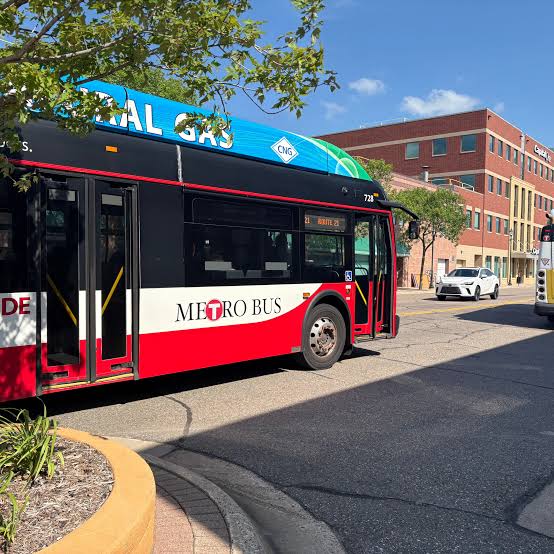
Customer Overview
St. Cloud’s transportation team operates in a fast-paced environment where trip demand and workloads can vary significantly from day to day. Dispatchers share responsibility for managing rides and schedules, requiring constant coordination to keep service running smoothly. As trip volumes increased, the agency recognized an opportunity to reduce manual processes, improve operational efficiency, and create a scheduling workflow that could adapt more effectively to changing conditions. To achieve these goals, St. Cloud implemented scheduling automation through TripSpark and SharpStack.
When Manual Scheduling Consumed Valuable Time
Before implementing scheduling automation, dispatchers relied heavily on manual scheduling processes to ensure every ride was assigned and no trips were overlooked. Staff spent considerable time monitoring unscheduled rides, placing trips manually, clearing runs, and managing schedule changes throughout the day. The effort required could vary dramatically depending on workload, making staffing demands difficult to predict. During busy periods, the risk of missing an unscheduled ride increased, placing additional pressure on dispatchers and limiting the time available for other responsibilities. The agency wanted a more efficient approach that would allow staff to focus on serving riders rather than constantly managing scheduling adjustments.
Building a Smarter Scheduling Process
Working together, TripSpark & SharpStack configured scheduling automation around St. Cloud’s operational goals, rider preferences, and budget requirements. Automated scheduling agents were designed to handle future trip requests and optimize schedules with minimal human intervention. To support day-of-service operations, an additional optimization agent was deployed to accommodate schedule changes and adjust to evolving service conditions throughout the day. This automated approach created a scheduling process that continuously works in the background, helping staff manage trips more efficiently while maintaining control over daily operations
Giving Dispatchers More Time to Focus on Riders
Since implementing scheduling automation, St. Cloud has experienced significant improvements in dispatcher efficiency and workload management. Instead of manually placing every ride, dispatchers can place trips into an unscheduled queue and allow the system to assist with scheduling decisions. This reduces administrative effort while helping staff remain actively involved in daily service management. The agency estimates that automation saves approximately 20 hours per week, giving dispatchers more time to focus on future ride bookings and rider support. The system has also strengthened operational resilience by helping the agency adapt more effectively to unexpected daily challenges, including staff callouts and changing service demands.
What St. Cloud Says
“It was great to work with the team. The SharpStack and TripSpark teams were very helpful and knowledgeable.”
“Scheduling automation has helped us save significant time and improve dispatcher efficiency, allowing our team to focus on serving riders instead of manually managing every trip.”
— Missy Kraemer, Operations Manager
See the Full Results
Read the complete case study to learn how St. Cloud leveraged scheduling automation to:
- Save approximately 20 hours per week
- Reduce manual scheduling effort
- Improve dispatcher efficiency
- Build a more resilient operation