
4 Essential Capabilities Dispatchers Need to Manage Daily Disruptions
Absences, Reassignments, and Daily Dispatch Workflows
When the Plan Starts to Unravel
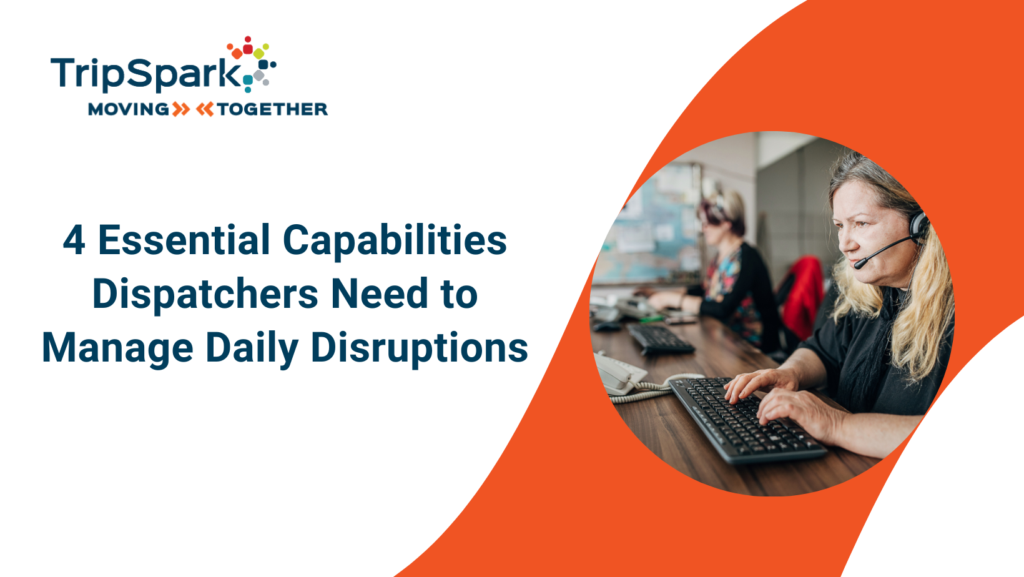
It’s just before pull-out. One dispatcher stands at the counter with a notepad, juggling last-minute changes after a sick call. Behind the scenes, another is reassigning runs, fielding calls, and making sure nothing slips through the cracks.
Even the most well-built schedule can unravel under real-world pressures, such as unexpected absences, last-minute adjustments, and shifting priorities. These moments often unfold before the first bus leaves the yard, setting the tone for the entire day.
When the day doesn’t go as planned, dispatchers rely on four essential capabilities to keep service moving.
Why Absences Create a Domino Effect
An unexpected absence can trigger a chain reaction affecting:
– Scheduled runs
– Driver and vehicle assignments
– On-time performance
– Rider experience
Managing absences with paper notes, spreadsheets, or radio calls increases the risk of missed assignments and delays. Streets can manage absences within the CAD (Computer Aided Dispatch) workflow, allowing dispatchers to unassign and reassign tasks to available drivers without switching systems. This centralized approach helps maintain alignment across the operation.
Reassignments Without the Radio Chaos
When work needs to be reassigned, clarity is crucial. With Streets, dispatchers can easily drag and drop assignments, split runs, cancel trips, or create extra service from one interface. Changes are immediately visible, allowing drivers to know their responsibilities without needing constant radio confirmations.
This reduces radio traffic and ensures that:
– Reassignments occur quickly
– Updates are clear and consistent
– Dispatchers spend less time double-checking
A potentially chaotic moment becomes a controlled adjustment.
Workflows for Predictable Disruptions
Stay ahead of disruptions while staying ready for the unexpected. Service Interruptions Management empowers agencies to proactively plan and schedule detours for known events, while also enabling rapid, real‑time adjustments when conditions change. By seamlessly communicating updates to drivers and riders across onboard systems and passenger channels, agencies can reduce confusion, maintain service continuity, and deliver a safer, more reliable experience no matter what the day brings.
Why Daily Workflows Matter More Than Dots on a Map
Automatic Vehicle Location (AVL) is crucial for real-time bus monitoring, but clear work assignments are equally important. Streets combines CAD and AVL, allowing dispatchers to manage absences, monitor routing and scheduling adherence, and address issues in one system. This integration ensures daily workflow continuity, even when plans change.
4 Dispatch Essentials for a Smoother Pull-Out
A smoother pull-out isn’t about avoiding disruptions but having the right tools to handle them. With Streets, dispatchers can:
- Manage unexpected absences
- Split or cancel work as conditions change
- Create and assign extra service as needed
- Accurately track assigned work
These capabilities help reduce missed assignments and minimize delays.
Turning Last‑Minute Chaos into Confident Operations
Dispatchers don’t need more alerts; they need supportive systems for when plans fall apart. Streets by TripSpark combines CAD and AVL with the capabilities to manage absence, run reassignment, configurable events, and daily tracking to help agencies move beyond paper manifests and last-minute adjustments. This makes chaos manageable, as real transit success depends on using the right tools when things don’t go as planned.