
Using real‑time insights to redesign routes, improve efficiency, and deliver a better rider experience
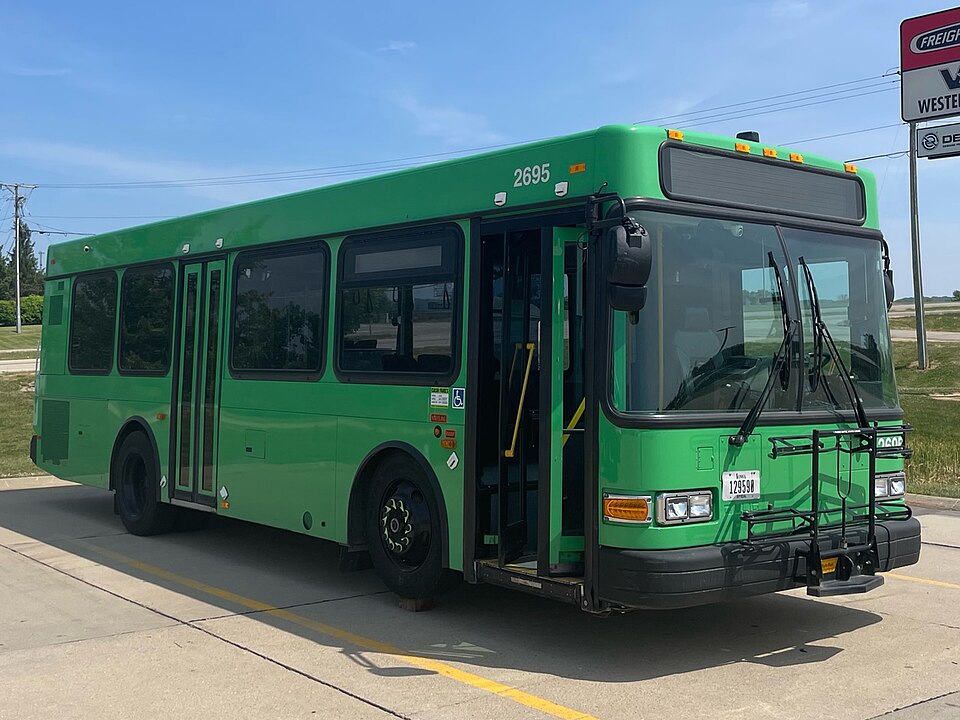
Customer Overview
The Jule, Dubuque’s public transit system in Iowa, serves a diverse range of riders, including K–12 students, college students, seniors, and those with accessibility needs. To ensure effective service, the agency embraced TripSpark’s Streets ITS fixed-route software, moving from manual processes to a CAD/AVL system for real-time tracking, automated dispatching, and digital data collection. This transition aims to create smarter, more responsive routes, reflecting the belief that transit offers “the gift of more time.”
When Manual Processes Limited Service Reliability
Before adopting Streets ITS, the Jule struggled with disconnected routes and inefficiencies, leading to unreliable transfers. Some buses were late, while others had uneven passenger loads, causing overcrowding or underutilization. Trips that should take 30 minutes often stretched to 90, frustrating riders and eroding confidence in the service. Limited coverage increased reliance on costly paratransit services, and paper-based scheduling consumed valuable staff time that could have improved service.
Turning Data into Smarter Route Planning
With Streets ITS, The Jule gained real-time operational insights and robust reporting that improved route and schedule design. Custom ridership and fare reports offered visibility into passenger behaviour, allowing staff to identify low-traffic areas and enhance route efficiency. The agency could also analyze rider types, like students and community members, to tailor services better. TripSpark collaborated with The Jule throughout the process to ensure an effective software application within budget.
Measurable Improvements Powered by Insight
Using reliable data, The Jule quickly restructured its fixed-route network to better serve riders and enhance resource efficiency. Within a month of data collection, staff optimized routes and schedules, adopting a hub-and-spoke model that reduced operating costs while maintaining service quality. Data also helped identify unsafe stop locations, leading to safer placements and lower expenses. These informed decisions bolstered credibility with city council leadership by showcasing service improvements and cost savings.
What The Jule Says
“We only needed a month’s worth of data to begin restructuring our routes and optimizing schedules.”
“Reporting is amazing versus your closest competitor. With theirs, you can’t tweak or drill down to the data you need. Streets reporting is uncomplicated.”
— Director of Transit Operations
Proven Outcomes at a Glance
- Improved route connectivity and transfer reliability
- Reduced travel times and more balanced bus utilization
- Stronger fixed‑route performance with reduced reliance on paratransit
- Data‑backed credibility and trust with city leadership